⏱ Estimated reading time: 9 minutes
Most of us know what it feels like after a bad night’s sleep: fuzzy brain, low patience, and a heavier mood. But what happens when poor sleep becomes the norm, not the exception? Research shows that the connection between sleep and mental health is far stronger than many people realise. In fact, sleep problems are often both a cause and a consequence of struggles with mood, stress, and wellbeing.
This article explores why sleep and mental health are so closely linked, what you can do to protect your sleep, and what professional support looks like if sleep has become a real challenge.
The Two-Way Street Between Sleep and Mental Health
- Poor sleep makes us more emotionally reactive, less resilient to stress, and more vulnerable to worry, low mood, and burnout.1
- Mental health struggles make it harder to get consistent, good-quality sleep. Racing thoughts, irregular routines, or changes in motivation can all disrupt sleep.2
Why Timing Matters as Much as Quantity
We often think about sleep in terms of “how many hours.” But research tells us that timing is at least as important.
Our circadian rhythm tells us when to feel awake and when to feel sleepy, and for most of us this follows a roughly 24 hour cycle. If our internal clock is out of sync with the outside world — e.g. staying up very late but having to get up early for work or school — our sleep and mental health both suffer.
For example:
- Night owls who naturally prefer later bedtimes often find themselves out of step with early school or work schedules. This mismatch can leave them underslept and struggling during the day.3
- Young people, whose body clocks naturally shift later during adolescence, are especially vulnerable. Missing out on morning light exposure and dragging themselves through early starts can make mood and focus worse.4
- Adults with irregular routines — shift workers, parents of young children, or people juggling multiple jobs — often struggle with the same mismatch.5
In some cases, researchers can even measure that the body’s rhythms for hormones like melatonin and cortisol are not lining up properly. When the body clock is misaligned, no amount of “sleep hygiene tips” will fully solve the problem.
What Poor Sleep Does to Mental Health
When sleep is short, irregular, or out of sync, the effects go beyond tiredness:
- Emotional regulation deteriorates: we’re more likely to feel irritable, anxious, or flat.
- Stress feels bigger: everyday hassles seem harder to manage.
- Resilience shrinks: it’s harder to bounce back from setbacks.
- Cognitive performance suffers: memory, attention, and decision-making decline.
Even short-term sleep loss can heighten emotional reactivity. Nightmares or disturbed sleep can increase next-day anxiety and sadness. Over time, chronic sleep disruption is linked with higher risk of mental health difficulties, including depression and ongoing stress-related problems.6
But there’s hope in this story: because sleep is such a powerful influence, improving sleep often leads to noticeable improvements in mental health.
Inequalities in Sleep Health
It’s also important to acknowledge that not everyone has the same opportunity for good sleep.7
- The people in our communities who are most vulnerable are also most likely to have disrupted or disordered sleep.
- Factors such as shift work, crowded housing, financial stress, and experiences of racism contribute to sleep inequality.
- Western advice — like having a separate, quiet bedroom — often assumes resources and living situations that aren’t realistic for everyone.
Sleep is deeply cultural as well as biological. Indigenous perspectives, for example, include spiritual and relational dimensions of night and dreaming. Co-sleeping and communal sleeping is far more common in some parts of the world than others. If we only focus on “8 hours alone in a dark room,” we risk missing the bigger picture and offering advice that doesn’t fit people’s lives.8
That’s why solutions need to be both practical and tailored to the individual. And it’s why you can ignore any advice that simply prescribes solutions without accounting for your individual sleep needs (spoiler alert, we don’t all need 8 hours per night – more about that in a future post)
What You Can Do to Improve Your Sleep
The good news is that small, consistent changes to sleep habits can make a real difference. Here are some starting points:
- Timing is everything: It’s not just how many hours you get — it’s also whether your sleep is consistent. Large swings between weekdays and weekends can throw off your body clock. Try to get up around the same time every day, even on weekends.
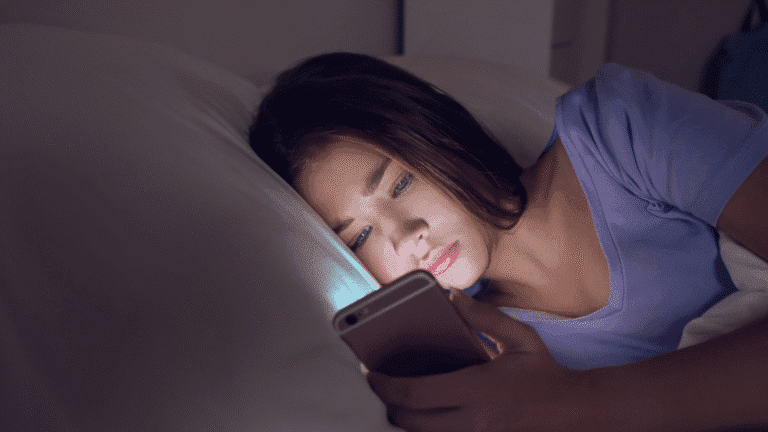
- Give yourself time to wind down before sleep: We don’t simply switch off from being awake to being asleep. The transition is actually more gradual than that, and we can help our body along by giving it signals that it’s time to sleep. These signals might include dimming lights, switching off devices, reading, stretching, or other calming activities. Whatever works for you.
- Get outside: Getting daylight exposure, especially in the morning, can immediately improve your mood and feelings of alertness. Daylight also helps to set your body clock so that you feel alert in the morning and sleepy at bedtime.
- Move often: Sleep loves regular exercise. You don’t need to start some kind of intensive workout regime. Just pick an activity you enjoy so you’ll be more likely to stick with it. Bonus points if your activity involves being outdoors.
- Be patient: You don’t need a major overhaul to improve your sleep and mental health. Good sleep is about consistency and habits. Pick a couple of things you’d like to change and focus on doing those things consistently until they become part of your routine.
When Self-Help Isn’t Enough
The strategies above are simple but not always easy. Life circumstances — parenting, shift work, health conditions, housing — can make them harder. That’s where support may help.
Sometimes, despite your best efforts, sleep remains a struggle. Signs that you might benefit from professional input include:
- Lying awake for long periods most nights.
- Feeling exhausted no matter how much sleep you get.
- Sleep problems lasting more than a few weeks.
- Regular nightmares or disturbed sleep that affect your mood the next day.
Sleep problems making stress, anxiety, or low mood worse.
What Specialist Sleep Support Looks Like
There’s a lot of good advice online but it’s not going to be tailored to your needs. And if you have a chronic sleep problem or a sleep disorder, no amount of sleep hygiene is going to fix it. That’s where working with a psychologist might come in. Typical, evidence-based approaches I use when helping people with their sleep include:
- Cognitive Behavioural Therapy for Insomnia (CBT-I): A structured programme that tackles the thoughts and behaviours keeping insomnia going. It’s the gold-standard treatment and more effective than medication in the long-term.
- Chronotherapy: If your sleep timing is the issue — like being unable to fall asleep until very late, or struggling to wake up in the mornings — interventions might include carefully timed bright light exposure, small doses of melatonin, and strategies to gradually shift your body clock.
- Addressing mental health and lifestyle factors: Because sleep and mental health are so intertwined, intervention often involves stress management, relaxation training, or addressing other issues that interfere with rest.
Specialist support can be brief and highly effective. Sometimes just a few sessions of tailored strategies are enough to get sleep back on track.
The Bigger Picture: Sleep as a Public Health Issue
As much as I would encourage anyone to prioritise their sleep health, sleep is not just a personal responsibility. It’s also shaped by the social world around us: work schedules, housing conditions, cultural expectations, and community norms. That means solutions need to go beyond individual advice.
We can all start by:
- Challenging the idea that needing sleep is “lazy.”
- Recognising that sleep health is part of mental health.
- Advocating for workplaces and schools to take sleep seriously — whether that’s flexible start times, reasonable shift patterns, or recognition of cultural diversity in sleep practices.
Final Thoughts
Sleep and mental health are inseparable. When sleep suffers, our mental health does too. The good news is that this connection also works the other way: when we invest in better sleep, we often feel calmer, more resilient, and more able to cope with life’s challenges.
Whether through small daily changes, support from a sleep specialist, or broader changes in how our society values rest, improving sleep is one of the most powerful — and often overlooked — ways to strengthen mental health and wellbeing.
If you’d like to read more about why we get stressed at night and how to manage it, read my article on sleep and anxiety – Too Stressed to Sleep.
References
Lee, C. H., & Sibley, C. G. (2019). Sleep duration and psychological well-being among New Zealanders. Sleep health, 5(6), 606-614.